Source Contour Stick for Makeup, Beauty, and Contouring
Find 30 Contour Stick options with varying features like waterproof, moisturizing, and sun protection. Compare specifications, certifications, and prices from verified suppliers to select the right product for your needs.
Key considerations
Products List
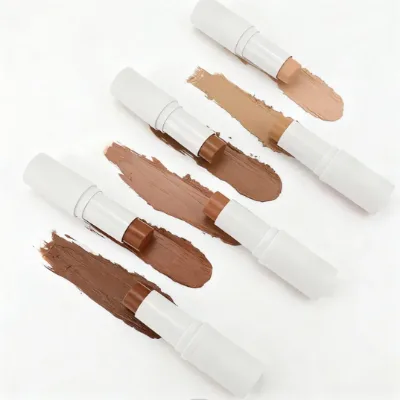


Wholesale Professional Natural High Pigment Long Lasting Fade-Resistant Contour Powder
$0.36 - $0.39
MOQ: 500 Pieces




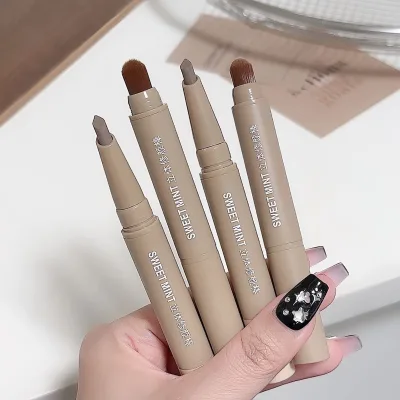


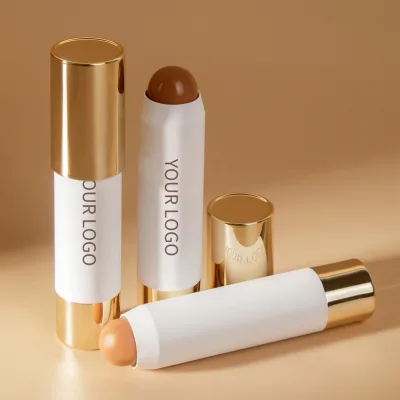


Comprehensive Sourcing Guide
Contour Stick Sourcing Guide
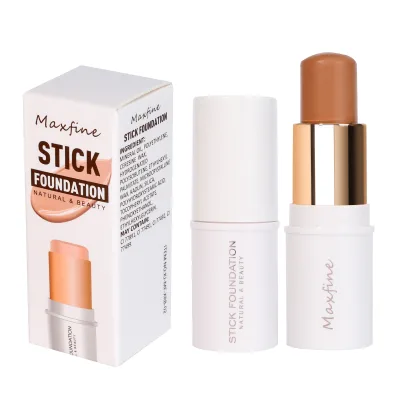
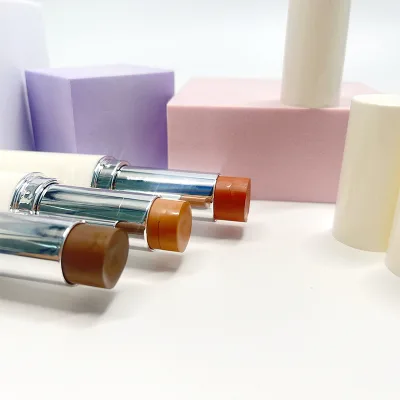
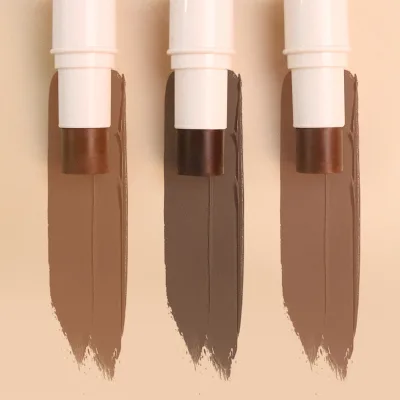
Sourcing contour sticks requires a nuanced understanding of the intersection between cosmetic formulation, packaging engineering, and regulatory compliance. Unlike traditional cream or powder foundations, contour sticks are designed for precise application, requiring a specific balance of hardness and blendability. Buyers must navigate a market where product attributes vary significantly, from natural mineral-based formulas to chemical-heavy synthetic blends. The observed data indicates a wide spectrum of product types, including items labeled as "makeup stick," "foundation stick," and specific "Contour Stick" variants. This diversity means that a one-size-fits-all sourcing strategy is ineffective; instead, procurement teams must define clear technical and aesthetic requirements before engaging with suppliers.
The procurement landscape for contour sticks is characterized by high customization potential and varying minimum order quantities (MOQs). Suppliers often offer private labeling and custom packaging solutions, which are critical for brands looking to establish unique market identities. However, this flexibility comes with the need for rigorous verification of supplier capabilities. Buyers must distinguish between manufacturers who offer ready-to-ship samples and those who specialize in large-scale production runs. Understanding the specific material compositions, such as plastic, cotton, or chemical-based cores, is essential for ensuring the final product meets both performance expectations and safety standards.
Product Scope and Observed Listing Signals
The current market for contour sticks exhibits a broad range of functional claims and ingredient profiles. Observed listings highlight features such as waterproofing, sun protection, and skin-nourishing properties like moisturizing and anti-wrinkle effects. Some products emphasize natural ingredients, including olive-based components, while others rely on herbal or mineral-chemical blends. This variation suggests that buyers should not assume a uniform product standard across all suppliers. Instead, procurement teams must evaluate each potential supplier’s formulation philosophy, whether it aligns with clean beauty trends or conventional cosmetic chemistry, to ensure brand consistency.
Packaging and physical specifications also vary widely, impacting both user experience and logistics. Single package sizes range from compact dimensions like 10.0x3.0x2.0 cm to larger cartons measuring 48.5x39x38.5 cm. Weight observations indicate single items can weigh as little as 0.040 kg or up to 0.300 kg, depending on the density of the formula and the robustness of the casing. These physical attributes are crucial for calculating freight costs and determining shelf-life stability. Buyers must verify whether the packaging is designed for individual retail boxes or bulk carton shipping, as this directly influences the unboxing experience and retail readiness of the final product.
Technical Specifications to Verify
Formulation stability is the primary technical concern when sourcing contour sticks. The product must maintain its structural integrity across varying temperatures while remaining soft enough to blend seamlessly into the skin. Buyers should request detailed specifications regarding the melting point and texture consistency of the stick. Additionally, the presence of specific functional attributes, such as oil control, pore-minimizing, or brightening effects, must be verified through technical data sheets rather than marketing claims. It is essential to confirm whether the product is classified as a dry, liquid, or powder formulation, as this affects the manufacturing process and the required storage conditions.
Packaging material compatibility is another critical technical specification. The casing, often made of plastic, must be durable enough to protect the product during transit while allowing for smooth dispensing. Suppliers may use different materials for the core, including cotton or chemical-based composites, which can affect the product’s sustainability profile and performance. Buyers should verify the exact model numbers, such as T1 or LJL-1048, to ensure traceability and consistency in future orders. Furthermore, the availability of customization options, including logo placement and color shades, should be confirmed to ensure the final product aligns with brand identity guidelines.
Compliance and Safety Documentation
Regulatory compliance is non-negotiable in the cosmetics industry, and contour sticks are subject to strict safety standards. Buyers must verify that suppliers hold relevant certifications, such as ISO, GMPC, GMP, and FDA approval, which indicate adherence to good manufacturing practices. Additional certifications like MSDS, REACH, and GMP are often required for international shipping, particularly when exporting to markets with stringent chemical regulations. These documents provide assurance that the product has been tested for safety and quality, reducing the risk of regulatory hurdles or product recalls.
Ingredient transparency is equally important for compliance and consumer trust. Buyers should request full ingredient lists to identify potential allergens or restricted substances. The observed data mentions ingredients ranging from herbal and olive extracts to chemical and mineral components. It is crucial to verify that all ingredients comply with the regulations of the target market, such as the EU Cosmetics Regulation or the US FDA guidelines. Suppliers should provide safety assessments and toxicological data for each component, ensuring that the final product is safe for all skin types, including sensitive skin.
Cost Drivers and Commercial Terms
The cost of contour sticks is influenced by several factors, including ingredient quality, packaging complexity, and order volume. Observed price ranges vary significantly, reflecting differences in formulation sophistication and branding. Buyers should analyze the cost structure to understand how much is attributed to raw materials versus packaging and labor. High-end products with natural or herbal ingredients may command higher prices, while those with chemical-based formulations might be more cost-effective. Understanding these cost drivers helps buyers negotiate better terms and align product pricing with their target market expectations.
Minimum order quantities (MOQs) and payment terms are key commercial considerations. The observed MOQ range spans from 1 piece to 12,000 pieces, offering flexibility for both small startups and large enterprises. Buyers should assess whether the supplier can accommodate their initial order size without compromising on quality or pricing. Additionally, lead times and shipping terms should be clearly defined to ensure timely delivery. Suppliers who offer ready-to-ship samples can accelerate the sourcing process, allowing buyers to evaluate product quality before committing to larger orders. Clear communication regarding these terms helps prevent misunderstandings and ensures a smooth procurement process.
Supplier Qualification and Quality Control
Supplier qualification is the foundation of a successful sourcing strategy. Buyers should conduct thorough due diligence to verify the supplier’s manufacturing capabilities, quality control processes, and financial stability. This includes reviewing their production facilities, equipment, and workforce expertise. Suppliers with a history of producing similar products, such as foundation sticks or eye shadows, may have established processes that ensure consistency and reliability. Buyers should also assess the supplier’s ability to handle customization requests, such as private labeling and unique packaging designs, which are often critical for brand differentiation.
Quality control measures must be implemented at every stage of production. Buyers should request samples for rigorous testing, including stability tests, patch tests for skin compatibility, and performance evaluations. It is essential to verify that the product meets the specified standards, such as the 58g weight or specific packaging dimensions. Suppliers should provide detailed quality reports and test results, including microbial testing and heavy metal analysis. Establishing a clear quality assurance protocol, including regular audits and inspections, helps maintain product consistency and protects the brand’s reputation.
Long-Term Procurement Checks
Long-term procurement success depends on continuous monitoring and relationship management. Buyers should establish key performance indicators (KPIs) to track supplier performance, including on-time delivery rates, product quality consistency, and responsiveness to issues. Regular communication with suppliers helps identify potential problems early and fosters a collaborative partnership. Buyers should also stay informed about industry trends and regulatory changes, ensuring that their products remain compliant and competitive. This proactive approach helps mitigate risks and supports sustainable growth.
Supply chain resilience is another critical aspect of long-term procurement. Buyers should diversify their supplier base to reduce dependency on a single source, especially for critical components like packaging or specialized ingredients. Developing contingency plans for potential disruptions, such as raw material shortages or logistical delays, ensures business continuity. Additionally, buyers should invest in building strong relationships with suppliers, focusing on mutual benefit and long-term collaboration. This strategic approach not only secures a reliable supply of contour sticks but also enhances the overall value proposition for the brand.
FAQs
What certifications do Contour Stick manufacturers hold?
Manufacturers hold ISO, GMPC, FDA, GMP, MSDS, and REACH certifications. These standards ensure product safety and quality compliance for international trade requirements.
Can I customize the Contour Stick packaging and logo?
Customization is available for logos and packaging designs. Buyers can request private label options to align the product with their specific brand identity and market needs.
What is the minimum order quantity for contour sticks?
The minimum order quantity starts at 1 piece for samples. Bulk orders may require higher quantities, with observed ranges extending up to 12,000 units depending on the supplier.
Which skin types are suitable for these contour sticks?
These products are formulated for all skin types including fair, light, medium, and dark tones. The ingredients support various needs like oil control and moisturizing for diverse users.
How is the Contour Stick packaged for shipping?
Items are packed in individual boxes within cartons. Single package dimensions vary, with common sizes around 10x3x2 cm or 11x11x15 cm depending on the specific model.
What are the main ingredients used in contour sticks?
Ingredients include chemical, mineral, and herbal components. Some formulations feature olive extracts and are designed to be waterproof, moisturizing, and suitable for sensitive skin.
Where are these contour sticks manufactured?
Products originate from Zhejiang, China. This location is a known hub for cosmetic manufacturing, offering efficient logistics and established supply chains for international buyers.